The 5 Most Common Networking Mistakes in B2B Sales, and How Technology Solves Them
These 5 networking mistakes cost you leads in B2B sales every day. We show you how to solve them with digital business cards and smart technology.
Published on May 21, 2026 · 4 min read
You know the routine: a trade show, a conference, an industry event. You exchange dozens of business cards, collect contacts and walk away feeling productive. Yet a few weeks later you look at the stack of paper cards in your drawer and wonder what actually came of it. The honest answer is usually: alarmingly little. Networking rarely fails for lack of opportunity. It almost always fails because of the wrong tools.
Why Traditional Networking Often Fails in the Digital Age
The core problem is a media break. The first contact happens in the analog world, on paper, jotted down by hand. The follow-up work happens digitally, in the CRM, in the calendar, in email. Between these two worlds lies a gap full of manual steps, and that is exactly where your sales potential leaks away.
A paper business card carries a phone number and an email address. Nothing more. It knows nothing about the context of your conversation, it never updates itself, and it only reaches your system once you actively type it in. This very friction is the breeding ground for the following five mistakes.
The 5 Networking Mistakes in Detail (and the Technological Solution)
Mistake 1: the awkwardness of an outdated or missing paper card
The classic scenario: you reach into your jacket pocket and realize you have run out of cards. Or worse, you hand over a card with your old phone number and the logo from your last rebrand. Both send the same message to the person in front of you: this is someone who does not have things quite together.
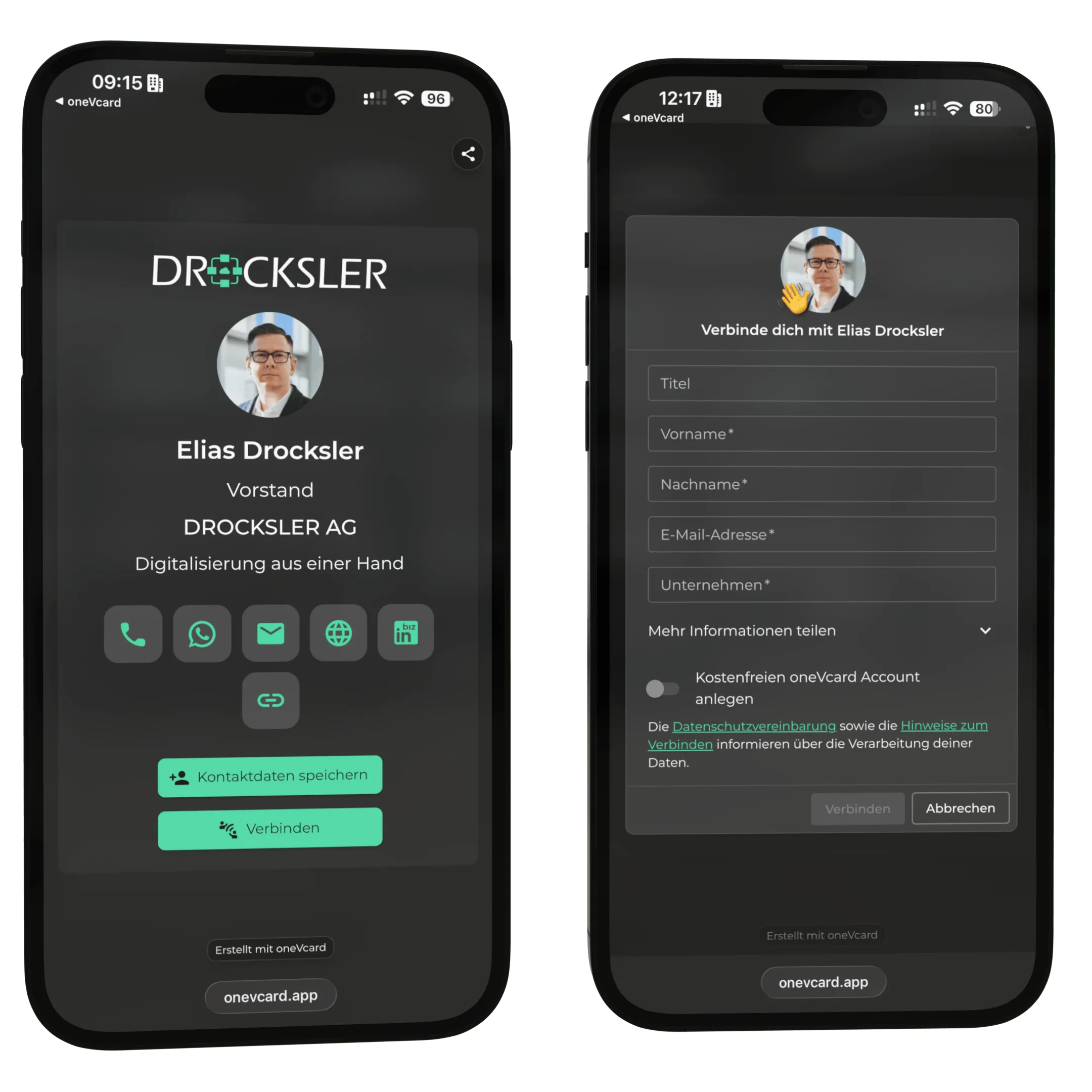
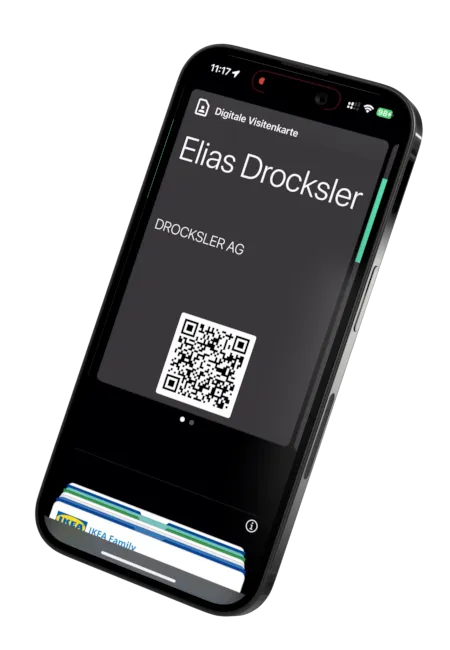
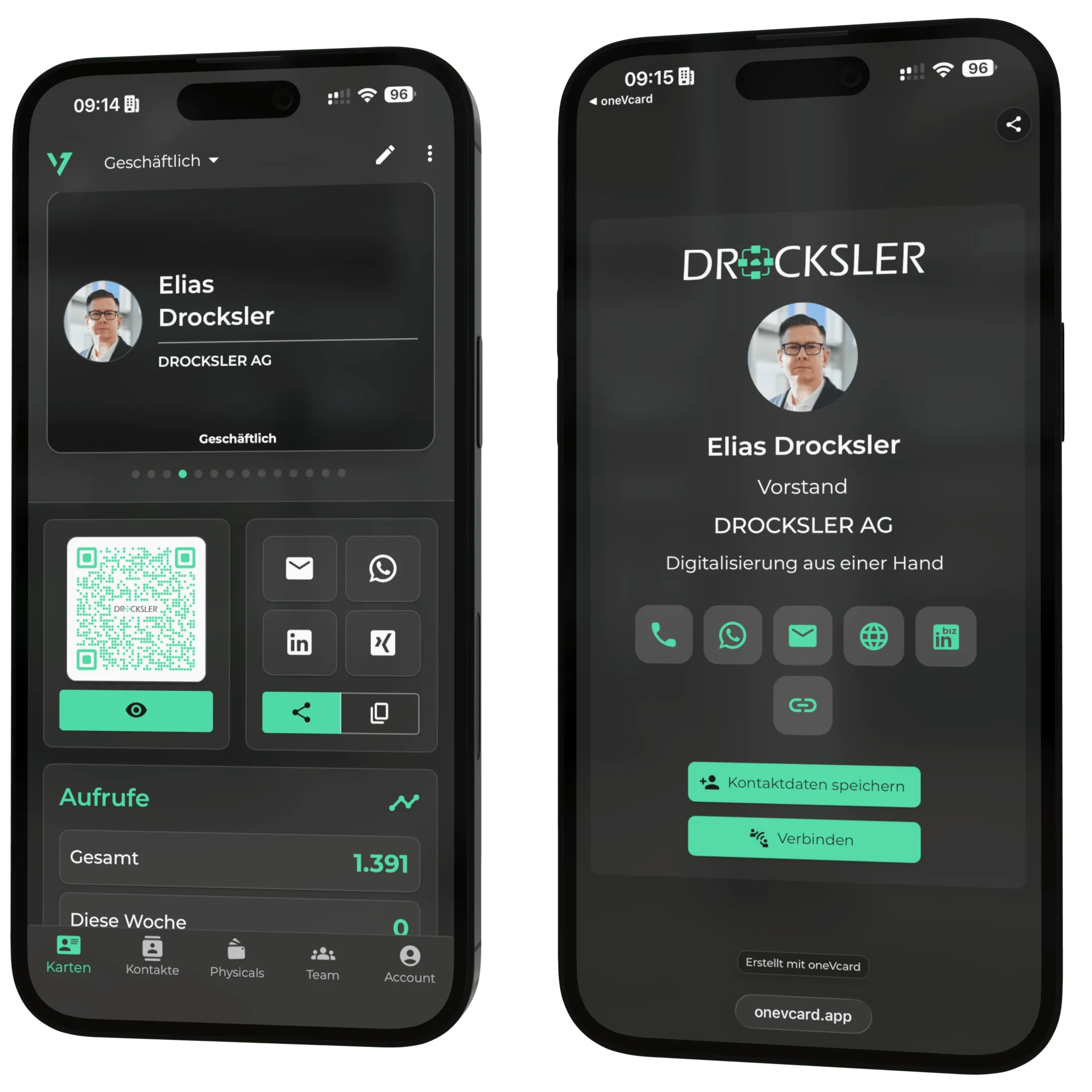
The solution: A digital business card never runs out and is never outdated. You share it via NFC, QR code or link, and it always shows the current details. When your role or number changes, you update it once in one central place, and every contact instantly sees the correct information.
Mistake 2: lost context (“Who was that again?”)
Three days after the event you hold a card in your hand and have no idea what you talked about. Was that the head of procurement with a concrete need, or the student who was simply being polite? Without context, a contact is almost worthless.
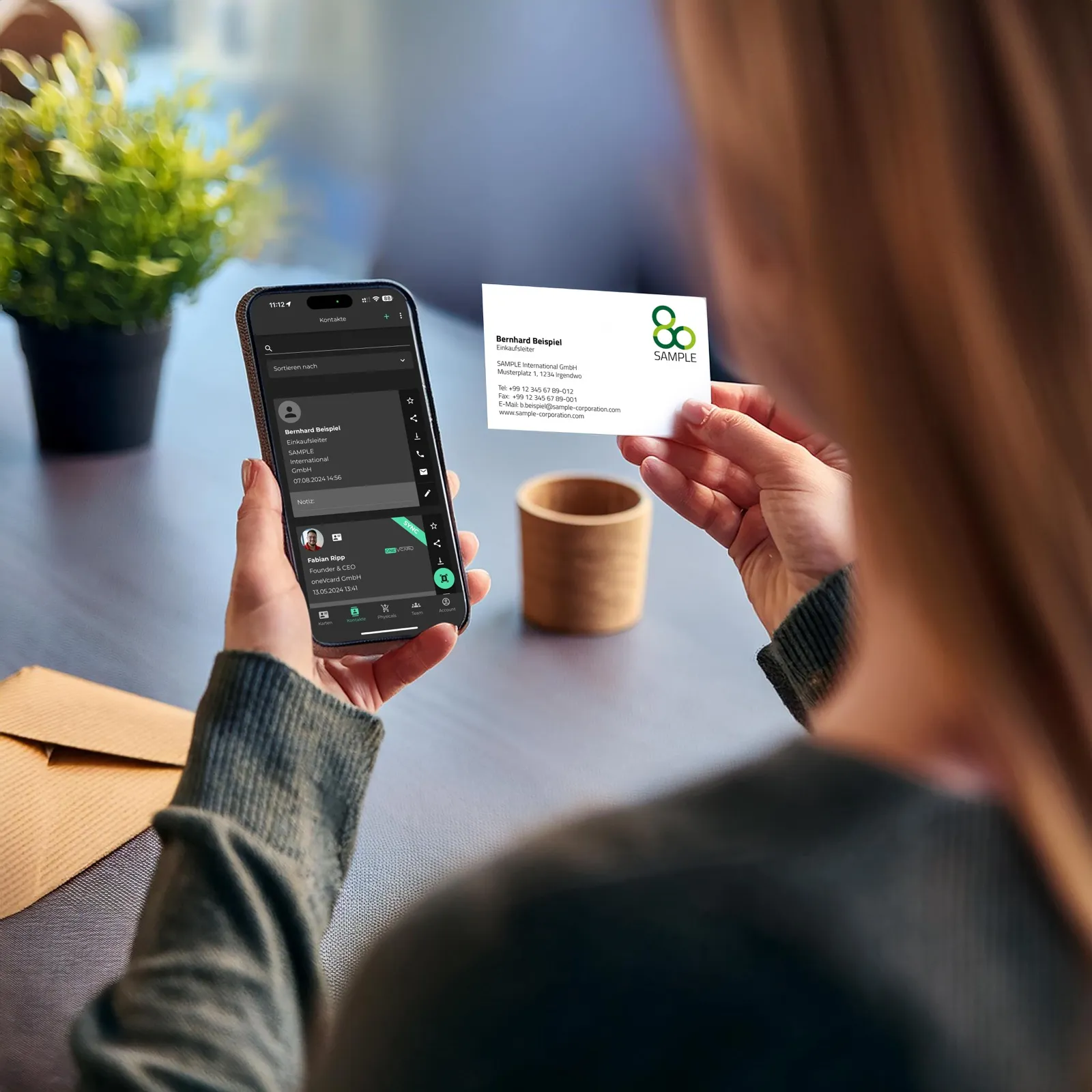
The solution: When you capture contacts digitally, you can add a note right there at the booth: topic of conversation, the need, the next step. That way the decisive context stays linked to the contact instead of evaporating from your short-term memory.
Mistake 3: no immediate value in the exchange
Handing over a card is a one-way street. The person in front of you gets your name, but no real reason to act now. The moment of peak attention fizzles out unused.
The solution: A digital card is an interactive hub. It links directly to your booking page, your product demo, a whitepaper or your LinkedIn profile. The mere exchange of data becomes a concrete opportunity to act, at exactly the right moment.
Mistake 4: no momentum afterward (no quick follow-up)
Studies on sales practice have shown the same thing for years: those who follow up within the first few hours win. But when the data only makes it into the system days later, the window has long since closed, and your competitor was faster.
The solution: When the contact details and their context are available digitally right away, your follow-up starts the very same day. A centrally managed inbox for new contacts ensures that no lead is left behind.
Mistake 5: manual typos in the CRM
Laboriously typing out business cards is not just a waste of time, it is also error-prone. A transposed digit in a phone number, a typo in an email address, and the contact is effectively unusable. Multiply that by a hundred cards per trade show and you have a serious data quality gap.
The solution: With a business card scanner you digitize other people’s paper cards in seconds, without manual typing. The captured data lands in your system structured and clean. This lets you manage contacts and leads centrally, with no media break and no transcription errors.
Conclusion: Professionalism Is a Matter of the Right Tools
None of these five mistakes stems from a lack of talent. They arise because analog tools are no longer up to the demands of modern B2B sales. Those who keep relying on paper give away measurable revenue potential at every event.
Switching to a technology-supported networking strategy closes the gap between the analog first contact and the digital follow-up. You come across as more professional, you are faster, and above all: you stop losing leads in the drawer.
If you want to know how to systematically eliminate these five mistakes in your team, feel free to get in touch. You can reach us directly through the form below.